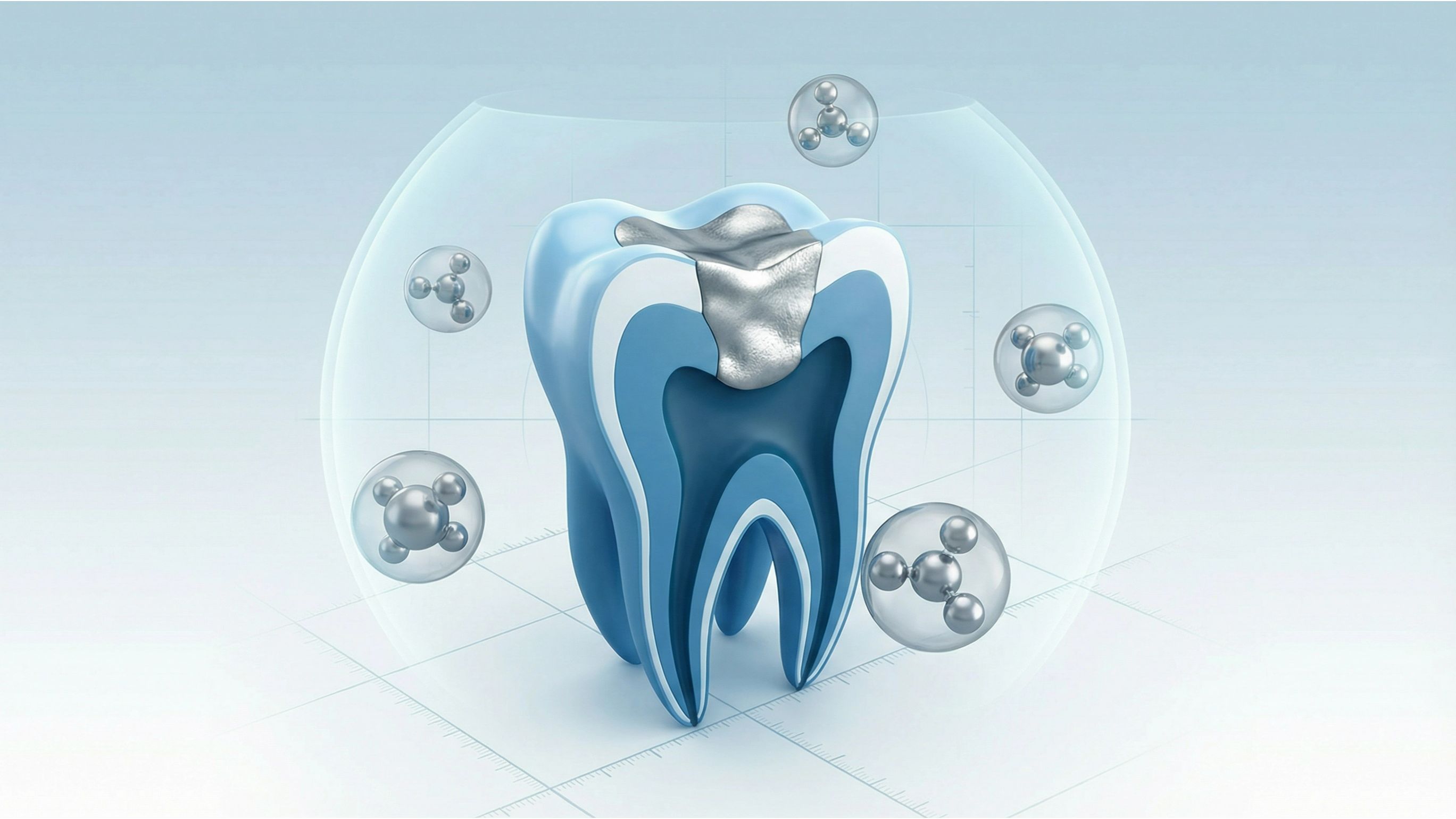
Mercury fillings safety: what you need to know about amalgam toxicity, safe removal, and personalized dental decisions
Last month, during a routine oral microbiome consultation, I sat across from Jennifer — a 38-year-old elementary school teacher battling chronic fatigue for years.
Reviewing her dental history, she counted eight mercury amalgam fillings placed throughout her twenties and thirties. "Could these be making me sick?" she asked.
It's a question I often hear.
The conversation around mercury fillings safety has intensified as more research emerges about the oral-systemic connection.
But here's what most articles won't tell you: the answer isn't simply "yes" or "no."
Understanding mercury fillings safety requires examining your unique oral ecosystem and individual biocompatibility.
You'll discover what latest research reveals about amalgam safety, when removal makes clinical sense, what biocompatible alternatives exist, and how to make informed decisions based on your body's specific needs.
Let's dive into what you need to know — not what fear-mongers want you to believe, and not what outdated guidelines continue to claim.
Key Takeaways
- Mercury amalgam fillings contain approximately 50% elemental mercury and continuously release small amounts of mercury vapor during normal oral activities like chewing and brushing¹˒².
- Individual biocompatibility varies significantly — not everyone experiences adverse effects from amalgam fillings, but vulnerable populations (pregnant women, children, those with compromised immunity) face increased risk¹²˒¹³.
- Mercury is a known neurotoxin that accumulates in body tissues over time, with research showing 2-12 times higher mercury levels in tissues of individuals with amalgam fillings compared to those without³˒⁴˒⁵.
- Safe removal protocols (SMART technique) are essential if removal is warranted — improper removal can cause acute mercury exposure that's more harmful than leaving fillings in place.
- Multiple biocompatible alternatives exist including composite resin, ceramic, and glass ionomer materials, each with distinct advantages depending on individual needs.
- Oral microbiome testing can reveal inflammatory patterns and bacterial imbalances that help guide personalized decisions about amalgam removal and replacement materials.
- The goal is personalized medicine based on testing and individual health status — not blanket recommendations driven by fear or outdated "one-size-fits-all" approaches.
Understanding Mercury Amalgam Fillings
Dental amalgam has been used for over 150 years as a restorative material. Its composition: approximately 50% elemental mercury bound with silver, tin, and copper.¹
Mercury acts as a binding agent, creating pliable putty dentists shape into cavities before it hardens.
Why do dentists still use amalgam? It's durable (lasting 10-15 years), cost-effective, easy to place in wet environments, and FDA-approved.
Conventional dentistry has considered these silver fillings mercury content levels safe.
But here's the nuance: While FDA-approved, these fillings continuously release mercury vapor — especially during chewing, grinding, and brushing.²
Mercury vapor is absorbed through the lungs and accumulates in body tissues, particularly the brain, kidneys, and liver.³˒⁴˒⁵
The central question around mercury fillings safety isn't whether mercury is released (it is), but whether levels pose significant health risks — that answer depends on individual factors.
What's Inside a Mercury Amalgam Filling?
Common composition breakdown of "silver" fillings
Dental Amalgam Components
Acts as binding agent
Provides strength and durability to the filling
Enhances workability during placement
Improves hardness and corrosion resistance
⚠️ Key Concern
Mercury continuously releases vapor through normal oral activities — chewing, grinding, brushing, and even drinking hot beverages increase release rates
The Science Behind Mercury Exposure From Dental Fillings
Mercury is a known neurotoxin. Research shows mercury vapor is approximately ten times more toxic to human neurons than lead.³
The debate is whether chronic low-level exposure from amalgam fillings causes measurable health harm.
The research shows: Autopsy studies found 2-12 times higher mercury concentrations in body tissues (brain, kidneys, pituitary gland) of individuals with dental amalgam.⁴
Mercury accumulates over time, with half-lives in brain tissue lasting years to decades.⁵
Mercury from fillings doesn't simply wash out — it builds up. But individual responses vary dramatically.
Some harbor amalgam fillings for decades without issues, while others develop symptoms of mercury toxicity from fillings including chronic fatigue, brain fog, headaches, joint pain, and digestive problems.
Your oral microbiome, genetic detoxification pathways, total mercury burden, and immune function determine your personal tolerance.¹²˒¹³
Mercury Accumulation in Body Tissues
How mercury from amalgam fillings bioaccumulates over time
2-12x Higher Mercury Levels in Tissues
Individuals with amalgam fillings vs. those without
Brain Tissue
Mercury crosses blood-brain barrier; half-life of years to decades
Kidneys
Primary filtration organs accumulate mercury; impaired function reduces excretion
Liver
Detoxification center stores mercury; genetic variations affect processing capacity
Pituitary Gland
Master endocrine gland affected by mercury accumulation; impacts hormone regulation
⏱️ Critical Factor
Mercury doesn't simply wash out — it builds up over time with long tissue half-lives, making chronic low-level exposure cumulative
The FDA acknowledges certain populations face elevated risk⁶:
- pregnant and breastfeeding women (mercury crosses the placental barrier),
- children under six (vulnerable developing nervous systems),
- people with kidney disease (impaired mercury excretion),
- and those with neurological conditions.
For these groups, the question, are mercury fillings safe, becomes a pressing concern.
Here's what many dentists don't discuss: oral bacteria can convert mercury from amalgam into methylmercury¹⁴ — a more toxic organic form that bioaccumulates more readily.⁷
Your oral microbiome composition directly influences this biotransformation.
See the Oral-Systemic Connection
Watch how oral bacteria convert mercury into more toxic forms. The Gateway to Health documentary series reveals critical connections between your mouth and whole-body health.
Expert Interviews · Evidence-Based Content
When Mercury Filling Removal Makes Clinical Sense
Not everyone with amalgam fillings needs them removed. Mercury filling removal should be a personalized clinical decision, not a blanket recommendation.
I consider removal when patients present with:
High amalgam burden (8+ large fillings) combined with unexplained chronic symptoms — especially fatigue, cognitive issues, or autoimmune markers.
Jennifer's case: eight amalgams, elevated inflammatory markers from oral microbiome testing, and persistent health issues conventional medicine couldn't explain.
Pregnancy or planned pregnancy.
Research links amalgam exposure during pregnancy to adverse outcomes including lower birth weight.⁸
Reducing mercury exposure during this critical window makes biological sense.
Compromised detoxification pathways.
Kidney disease, liver dysfunction, or genetic mutations affecting mercury metabolism (like MTHFR variations) impair your body's ability to eliminate mercury.
Cracked or failing amalgam fillings.
Old fillings that are cracked or broken release significantly more mercury vapor. If they need replacement anyway, choosing biocompatible materials becomes natural.
But here's the crucial caveat: unsafe removal is more dangerous than leaving fillings alone.
When amalgam is drilled out without proper protection, it generates massive mercury vapor — creating acute exposure far more harmful than chronic low-level release.
This is why the SMART (Safe Mercury Amalgam Removal Technique) protocol exists: rubber dam isolation, high-volume suction, external air supply, copious water irrigation, and immediate amalgam disposal.
If your dentist isn't trained in SMART technique, find one who is.
Understanding the oral-systemic connection helps contextualize how fillings might affect your overall health.
Biocompatible Alternatives to Amalgam Fillings
Modern dentistry offers several biocompatible dental fillings with excellent safety profiles.
Composite Resin Fillings are the most common alternative.
These tooth-colored restorations bond directly to tooth structure and contain no mercury. Recent advances have significantly improved their durability.⁹
However, some contain BPA derivatives that concern holistic practitioners.
Ceramic (Porcelain) Inlays and Onlays offer superior biocompatibility for larger restorations.
Ceramic materials are chemically inert, highly resistant to staining, and exceptionally durable.¹⁰
More expensive than composites, they often last 20+ years. I recommend ceramic for patients with chemical sensitivities.
Glass Ionomer Cement releases fluoride and bonds chemically to tooth structure.
While not as strong as composite or ceramic, it's highly biocompatible and beneficial for patients with high decay risk.
Gold Alloys — high-noble gold remains one of the most biocompatible materials available. Extremely durable with minimal galvanic reaction. The downside? Cost and aesthetics.
Safe alternatives to amalgam fillings aren't universally perfect. Some patients react to composite resins. Others develop sensitivities to ceramics.
True biocompatibility is unique to each person.
Precision dentistry matches material to tooth location, restoration size, bite forces, aesthetic preferences, and your body's individual response.
Biocompatible Filling Materials Comparison
Mercury-free alternatives at a glance
Composite Resin
Best for: Tooth-colored restorations, front teeth, moderate cavity sizes
Ceramic/Porcelain
Best for: Large restorations, chemical sensitivities, longest-lasting option (20+ years)
Glass Ionomer
Best for: High decay risk, fluoride release benefits, temporary restorations
Gold Alloy
Best for: Back molars, extreme durability needs, minimal galvanic reaction
💡 Key Insight
True biocompatibility is individual — what works for one person may not work for another. Material selection should match your specific needs, sensitivities, and oral ecosystem.
Making an Informed Decision About Your Oral Health
Here's the decision framework I use with patients:
Start with testing, not guessing.
Your oral microbiome analysis reveals inflammation patterns and pathogenic bacterial loads. Elevated levels of certain bacteria correlate with increased mercury methylation.¹¹
Understanding your baseline helps assess whether your fillings contribute to bacterial imbalance or systemic inflammation.
Consider your total mercury burden.
Do you eat fish frequently? Have occupational exposures? What's your genetic capacity for detoxification? These factors determine your overall risk.
Evaluate your symptom picture.
Unexplained chronic fatigue, cognitive decline, mood disturbances, or autoimmune symptoms that conventional medicine can't explain may warrant investigation when symptoms align with known toxicity patterns.
Assess existing filling conditions.
Large, old, cracked amalgams needing replacement present an opportunity to transition to biocompatible materials.
This isn't about perfection — it's about informed optimization.
You need to understand how your oral health impacts your systemic health, and make decisions that align with your individual risk profile.
Working with a biologically-trained dentist who understands oral-systemic connections makes this process easier.
The oral bacteria in your mouth influence your cardiovascular system, immune function, digestive health, and cognitive performance.
Get Answers, Not Guesses
Before making decisions about amalgam removal, know what's happening in your mouth. Comprehensive microbiome analysis with personalized dental protocols gives you the data you need.
Your Orobiome Test Includes:
Test First, Then Targeted Solutions · Data-Driven Decisions
Conclusion
The mercury amalgam debate doesn't require choosing between blind fear and willful ignorance.
The science is clear: mercury fillings release mercury vapor, mercury accumulates in body tissues, and individual susceptibility varies dramatically.
What matters is moving from one-size-fits-all recommendations to personalized assessments based on your unique oral ecosystem, total mercury burden, and health status.
Mercury fillings safety isn't a simple yes-or-no question — it's a nuanced clinical decision requiring testing, not guessing.
Whether you keep existing amalgams, pursue safe removal, or select biocompatible materials for future dental work, make that choice from an informed position that considers your body's individual needs.
The goal isn't perfection — it's optimization.
By understanding your oral microbiome, choosing biologically-trained practitioners, and making evidence-based decisions rather than fear-based reactions, you can navigate this controversy with confidence.
Your mouth truly is the gateway to your health. What you put in it — and what's already there — matters more than conventional dentistry has acknowledged.
Make Data-Driven Decisions About Mercury Amalgam
Stop guessing. Start knowing exactly what's happening in your mouth.
Get comprehensive analysis revealing:
💎 Premium Testing Package · Licensed Dental Consultation Included
Join hundreds who've discovered their oral-systemic connections

Sources
- Mercury amalgam dental fillings: An epidemiologic assessment. International Journal of Hygiene and Environmental Health. 2006.
- How do different physical stressors affect the mercury release from dental amalgam fillings and microleakage? A systematic review. Journal of Biomedical Physics & Engineering. 2022.
- Is dental amalgam safe for humans? The opinion of the scientific committee of the European Commission. Journal of Occupational Medicine and Toxicology. 2011.
- Rethinking the dental amalgam dilemma: An integrated toxicological approach. International Journal of Environmental Research and Public Health. 2019.
- Mercury exposure and risks from dental amalgam in the US population, post-2000. Science of The Total Environment. 2011
- People at risk from mercury amalgam fillings per FDA. IAOMT. 2025.
- Methylmercury and elemental mercury differentially associate with blood pressure among dental professionals. International Journal of Hygiene and Environmental Health. 2013.
- Mercury exposure and its effects on fertility and pregnancy outcome. Basic & Clinical Pharmacology & Toxicology. 2019.
- Biocompatibility of 3D-printed dental resins: A systematic review. Cureus. 2024.
- Recent advances in biocompatible dental materials. Biomedical Materials & Devices. 2026.
- Acute oral methylmercury exposure perturbs the gut microbiome and alters gut-brain axis related metabolites in rats. Ecotoxicology and Environmental Safety. 2020.
- New science challenges the old notion that mercury dental amalgam is safe. Biometals. 2014.
- Genetic polymorphisms affecting susceptibility to mercury neurotoxicity in children. NeuroToxicology. 2015.
- Methylmercury, Amalgams, and Children’s Health. Environmental Health Perspectives. 2006.