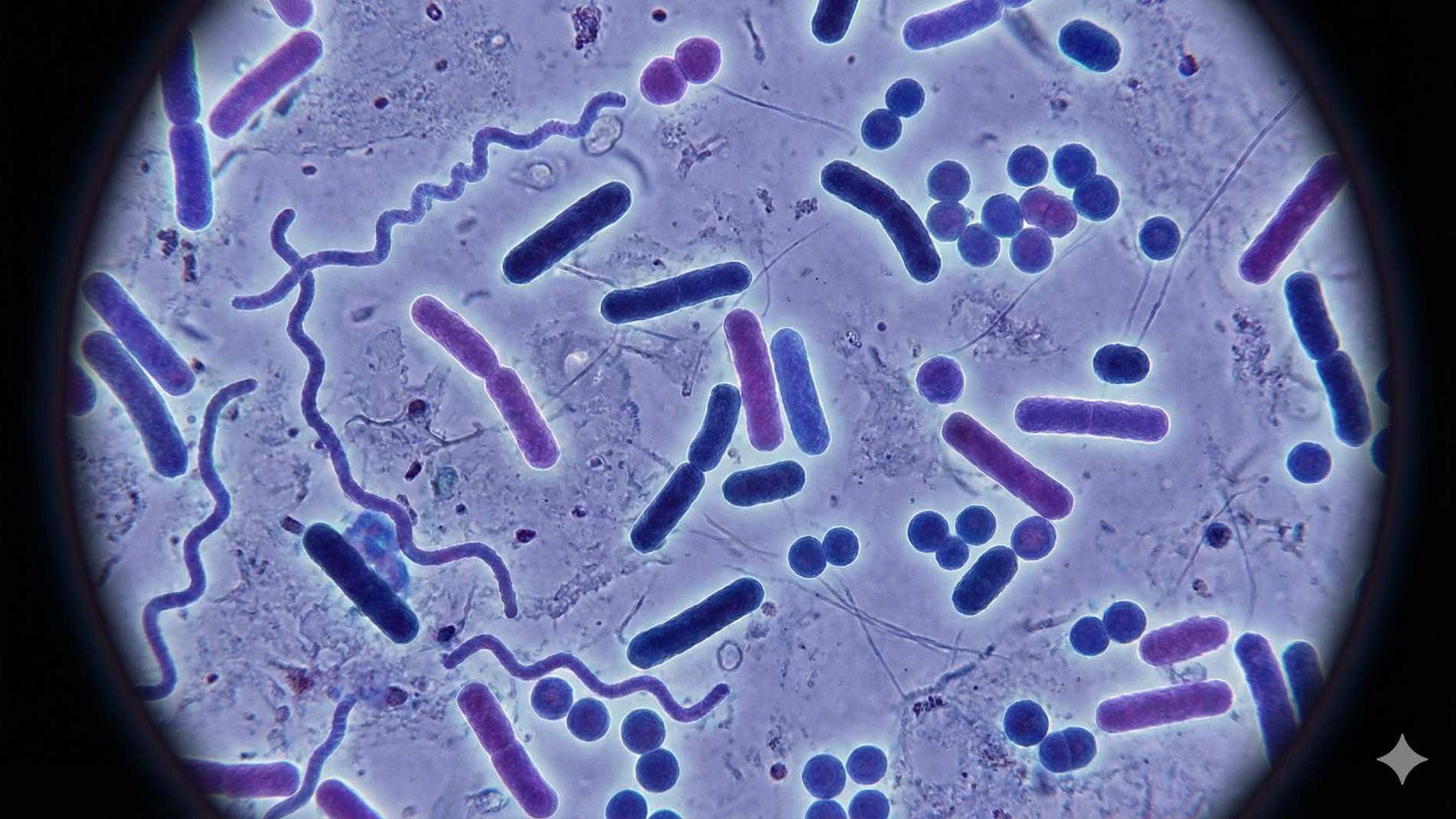
The 5 oral pathogens silently destroying your heart and brain (and how to stop them before it's too late)
When I review oral microbiome test results with patients, I often see the same look of disbelief.
"You're telling me the bacteria in my mouth are connected to my heart disease?"
Or my personal favorite: "My neurologist never mentioned my gums could be affecting my brain fog."
Yet here's what we've learned from years of research and clinical practice:
Oral manifestations can be early indicators of systemic diseases ranging from diabetes to cardiovascular disease to autoimmune conditions.¹
The oral pathogens living between your teeth and gums aren't just causing bad breath — they're traveling through your bloodstream, crossing the blood-brain barrier, and setting up inflammatory outposts in your heart, brain, and joints.⁵,¹¹,¹²
In this article, you'll discover the five specific bacteria most strongly linked to cardiovascular disease and Alzheimer's, how they escape your mouth and invade other organs, and most importantly, what you can do to stop them.
I'll also share why standard dental exams miss these infections entirely, and how advanced oral microbiome testing can reveal what's really happening beneath your gum line.
If you've been experiencing unexplained inflammation, bleeding gums, or chronic health issues your doctors can't quite pin down, the answer might be hiding in plain sight — right in your mouth.
Keep reading. What you learn in the next few minutes could fundamentally change your approach to preventing chronic disease.
Key Takeaways
- The Red Complex — three keystone oral pathogens (P. gingivalis, T. denticola, and T. forsythia) — are commonly found in severe periodontal disease cases³ and have been directly linked to Alzheimer's disease, heart attacks, and stroke.⁵,¹⁵
- P. gingivalis can cause profound gut dysbiosis at concentrations as low as 0.003%,⁴ and its toxic proteins (gingipains) have been found in the brain tissue of Alzheimer's patients.⁵
- Fusobacterium nucleatum is the #1 bacteria found in colorectal tumors⁹ and has been isolated from amniotic fluid in cases of preterm birth.¹⁰
- You swallow approximately 1 trillion bacteria every single day¹³ — when your oral microbiome is out of balance, you're essentially mainlining inflammatory pathogens into your gut and bloodstream
- Bleeding gums aren't just a dental issue — they're an open highway for bacteria to enter your circulatory system and deposit themselves in heart valves, arterial plaques, and brain tissue¹¹,¹²
- Traditional 2D dental X-rays can miss chronic infections for years; 3D cone beam imaging and oral microbiome testing reveal hidden pathology before it causes irreversible damage.
- Testing your oral microbiome is the only way to know exactly which pathogens you're harboring — guessing leads to generic treatments that often fail to address the root cause.
Know Your Enemy
Which bacteria are living in your mouth right now? Our Orobiome testing uses advanced DNA analysis to identify exactly which pathogens are present — so you can create a targeted treatment plan instead of guessing.
🏥 Includes consultation with a licensed dentist
What makes certain mouth bacteria so dangerous
Your mouth hosts about 700 different species of microorganisms.²
Most are harmless. Many are beneficial.
But when the wrong bacteria gain a foothold, they transform from peaceful inhabitants into aggressive invaders.
The shift from a balanced oral microbiome to dysbiosis happens gradually.
Poor diet, stress, medications that cause dry mouth, harsh antimicrobial mouthwashes — all of these factors can tip the scales.
Once the bad bacteria start multiplying, they form protective biofilms that make them incredibly difficult to eliminate.
Here's what makes certain oral pathogens particularly deadly: they're anaerobic, meaning they thrive in oxygen-poor environments like the deep pockets between your teeth and gums.
And unlike the bacteria on your tongue or cheeks, these pathogens have evolved sophisticated mechanisms to evade your immune system, invade tissue, and spread throughout your body.
See the Science in Action
Want to see exactly how oral bacteria affect your entire body? Watch our Gateway to Health documentary series featuring leading experts who explain the oral-systemic connection in unprecedented detail.
🎥 Free access for 10 days • Watch anytime, anywhere
The Red Complex: Three bacteria working in deadly harmony
In periodontal research, we talk about something called "The Red Complex" — three bacteria that almost always appear together in severe gum disease and work synergistically to cause maximum destruction.³
Porphyromonas gingivalis (P. gingivalis) is the ringleader.
Scientists call it a "keystone pathogen" because even in tiny amounts, it can completely reshape your entire oral microbiome toward disease.
When we examine the gut microbiomes of patients with P. gingivalis overgrowth, we find it causes profound dysbiosis at concentrations as low as 0.003%.⁴
But here's what keeps me up at night: P. gingivalis doesn't stay in your mouth.
It produces toxic enzymes called gingipains that literally dissolve the proteins holding your gum tissue together.
Once it enters your bloodstream through bleeding gums, it's been found in arterial plaques and — disturbingly — in the brain tissue of Alzheimer's patients.⁵,¹¹,¹²
Treponema denticola is a spirochete bacteria, the same family as the pathogen that causes Lyme disease.
It has a corkscrew shape that allows it to burrow deep into gum tissue, making it extremely difficult to eliminate with conventional treatments.⁶
Tannerella forsythia (previously called Bacteroides forsythus) completes the trio.
It's commonly found in periodontal disease cases⁷ and produces enzymes that break down tissue and bone.
What makes it particularly insidious is how it works together with P. gingivalis — they protect each other and amplify each other's destructive effects.
A patient recently came to me after her cardiologist found unexplained inflammation markers despite a "clean" diet and regular exercise.
Her gums bled when she flossed, something she'd mentioned to her dentist for years but was told was "normal."
When we ran her oral microbiome test, all three Red Complex bacteria were present at high levels.
Within weeks of targeted treatment, her inflammatory markers began dropping, and her cardiologist was surprised by the rapid improvement.
5 Deadly Oral Pathogens Infographic Preview
The 5 Deadly Oral Pathogens
Bacteria that travel from your mouth to your vital organs
The Ringleader: Keystone pathogen reshaping entire oral microbiome
The Invader: Corkscrew-shaped spirochete that burrows deep
The Destroyer: Completes the deadly Red Complex trio
The Aggressor: Causes rapid bone loss in young adults
The Colonizer: #1 bacteria found in colorectal tumors
⚠️ These bacteria work together to cause maximum damage to your heart, brain, and entire body
Two more pathogens you need to know about
Beyond the Red Complex, two other oral pathogens deserve special attention for their far-reaching health consequences.
Aggregatibacter actinomycetemcomitans (A.a.) is the bacteria most commonly associated with aggressive periodontitis, the kind that rapidly destroys bone and can cause people to lose teeth in their 20s and 30s.⁸
It's particularly difficult to treat because it can actually hide inside your immune cells — the very cells trying to destroy it — and hitch a ride through your bloodstream to distant sites.⁸
Fusobacterium nucleatum might be the most unsettling discovery in recent oral-systemic research. It's the #1 bacteria found in colorectal tumors.⁹
When researchers analyzed tissue samples from colon cancer patients, they consistently found F. nucleatum that had originated in the mouth.
Even more concerning: F. nucleatum has been isolated from amniotic fluid and placental tissue in cases of preterm birth and stillbirth.¹⁰
Pregnant women with untreated gum disease face significantly higher risks of pregnancy complications, and this bacterium appears to be one of the primary culprits.
Stop Guessing. Start Testing.
Wondering which of these bacteria are living in your mouth right now? Our Orobiome testing reveals exactly which pathogens are present and at what levels — empowering you with a personalized action plan.
💡 Generic treatments fail because they don't address YOUR specific pathogens. Testing eliminates the guesswork.
🏥 Results in 2-3 weeks • Includes licensed dentist consultation
How oral bacteria travel from your mouth to your heart and brain
Understanding the pathways these bacteria use to cause systemic disease is crucial — because it explains why brushing and flossing, while important, aren't always enough once infection is established.
Direct invasion through bleeding gums is the most straightforward route.
Every time your gums bleed — whether from flossing, brushing, eating crunchy foods, or a dental cleaning — bacteria enter your bloodstream.
The lining of blood vessels becomes "sticky" in response to inflammation, and oral pathogens like P. gingivalis can actually adhere to arterial walls and contribute to plaque formation.¹¹
Studies show that the most common class of microbes causing heart valve infections are oral microbes.¹²
If you have even a small structural abnormality in your heart, these bacteria can find it and colonize it.
The second pathway is through swallowing.
You swallow approximately 1 trillion bacteria every day.¹³
When you have a dysbiotic oral microbiome dominated by pathogenic species, you're essentially mainlining inflammatory bacteria into your gut.
Remember how P. gingivalis causes gut dysbiosis at extremely low concentrations? This is how it gets there.
The third pathway involves inflammatory mediators — the chemical signals your immune system releases in response to chronic infection.
Even if the bacteria themselves don't make it to distant organs, the inflammatory molecules they trigger certainly do.
We see elevated levels of IL-1 beta and C-reactive protein in patients with periodontal disease,¹⁴ and these same inflammatory markers are strongly associated with cardiovascular disease and dementia.
3 Pathways Infographic Preview
How Oral Bacteria Reach Your Organs
Three direct routes from mouth to body
YOUR MOUTH
PATHWAY #1: Bleeding Gums
Every time gums bleed from brushing, flossing, or eating
Blood vessels become "sticky" in response to inflammation
Heart valves, arterial plaques, brain tissue
🔬 Most common microbes in heart valve infections are oral bacteria
PATHWAY #2: Swallowing
Constantly traveling from mouth to gut with every swallow
Pathogenic species alter intestinal balance
Leading to leaky gut and systemic inflammation
⚠️ P. gingivalis causes profound gut dysbiosis at just 0.003%
PATHWAY #3: Inflammatory Cascade
Immune system constantly activated by oral pathogens
IL-1 beta, C-reactive protein, other inflammatory markers
Contributing to cardiovascular disease and dementia
💡 Even without bacteria reaching organs, inflammation alone causes damage
🚨 All three pathways work simultaneously to compromise your systemic health
The diseases linked to these five harmful oral bacteria
Let me be direct about what the research shows:
Heart disease and stroke
People with periodontal disease are three times more likely to have coronary artery disease.¹⁵
P. gingivalis has been found in atherosclerotic plaques and heart valve tissue.
The connection is so strong that some cardiologists now recommend oral microbiome testing for patients with unexplained cardiovascular inflammation.
Alzheimer's disease and dementia
Gingipains — the toxic proteins produced by P. gingivalis — have been identified in the brain tissue of Alzheimer's patients.¹⁶
The bacteria appears capable of crossing the blood-brain barrier and causing neuroinflammation that leads to cognitive decline.
If you're experiencing brain fog or memory issues, this connection might explain why.
Type 2 diabetes
The relationship here is bidirectional — diabetes makes periodontal disease worse, and periodontal disease makes blood sugar harder to control.¹⁷
We've had patients whose A1C levels dropped significantly after successfully treating their gum infections.
Pregnancy complications
F. nucleatum doesn't just correlate with preterm birth — it's been found in the actual placental tissue and amniotic fluid of affected pregnancies.¹⁸
The bacteria can travel through the bloodstream and directly invade the pregnant uterus, triggering early labor.
Rheumatoid arthritis and autoimmune disease
P. gingivalis produces an enzyme that can modify proteins in a way that triggers autoimmune responses.¹⁹
Many rheumatologists are now paying attention to their patients' oral health because the connection is becoming impossible to ignore.
From Your Mouth to Your Body
How oral pathogens affect every major system
YOUR ORAL MICROBIOME
Primary Pathogen: P. gingivalis found in arterial plaques
📊 Risk Factor: 3x higher risk of coronary artery disease with periodontal disease
Primary Pathogen: P. gingivalis gingipains in brain tissue
📊 Connection: Bacteria crosses blood-brain barrier causing neuroinflammation
Bidirectional Link: Gum disease worsens blood sugar control
📊 Impact: Treating oral infections can lower A1C levels significantly
Primary Pathogen: F. nucleatum in amniotic fluid & placenta
📊 Risk Factor: Linked to preterm birth and stillbirth cases
Primary Pathogen: P. gingivalis modifies proteins triggering autoimmunity
📊 Connection: Enzyme production triggers autoimmune response in joints
⚠️ One source. Multiple diseases. Your oral health affects your entire body.
How these bacteria hide from standard dental care
Here's a frustrating truth: you can have severe chronic infection around your teeth and not feel pain.
You can have a "routine cleaning" every six months and still harbor these pathogens in deep periodontal pockets.
Traditional 2D dental X-rays show bone loss, but only after significant damage has occurred — sometimes years after the infection began.
By the time you see a "dark spot" on a conventional X-ray indicating bone loss, you've already lost substantial tissue.
This is why we advocate for 3D cone beam CT imaging for anyone with a history of gum disease, chronic inflammation, or unexplained systemic health issues.
These scans can reveal infections, cavitations (areas of dead bone), and other pathology that standard imaging completely misses.
Understanding the oral-systemic connection changes how we approach chronic disease.
But even advanced imaging doesn't tell you which bacteria are causing the problem. That's where oral microbiome testing becomes invaluable.
Salivary PCR testing can identify the exact species present and their concentrations, allowing for targeted antimicrobial therapy instead of the spray-and-pray approach of generic antibiotics.
What you can do starting today
The good news is that these bacteria are both preventable and treatable — but only if you know they're there and take targeted action.
Get tested, don't guess.
Generic approaches to oral health miss the mark when you're dealing with specific pathogenic species.
Oral DNA testing reveals exactly which bacteria you're harboring and at what levels, allowing for personalized treatment protocols.
Learn more about how oral microbiome testing works.
Focus on mechanical disruption.
These bacteria live in biofilms that protect them from antimicrobials.
Proper brushing and flossing technique — not harsh chemicals — is your first line of defense.
We often recommend improved toothbrushes and water flossers with herbal rinses rather than alcohol-based mouthwashes that can actually worsen dysbiosis by killing beneficial bacteria.
Shift your oral pH through diet.
Acidic environments favor pathogenic bacteria.
Increasing alkaline foods, reducing refined carbohydrates, and timing your meals (rather than constant snacking) can significantly impact your oral microbiome composition.
Address chronic inflammation systemically.
These bacteria thrive when your immune system is compromised.
Adequate vitamin D levels, stress management, quality sleep — all of these factors influence whether your oral microbiome remains balanced or tips toward disease.
Consider advanced treatments.
Depending on what testing reveals, treatment might include targeted scaling and root planing, laser therapy to disrupt biofilm, ozone therapy, or even PRF (platelet-rich fibrin) to support tissue regeneration.
The key is matching the treatment to the specific bacteria present.
It's time to address the root cause
If you're experiencing bleeding gums, chronic bad breath, loose teeth, or you've been diagnosed with cardiovascular disease, diabetes, or cognitive decline without a clear cause — your mouth might hold critical answers.
These five oral pathogens aren't theoretical risks.
They're present in millions of people right now, silently contributing to chronic diseases that often seem unrelated to oral health.
The difference between people who suffer the consequences and those who prevent them often comes down to one thing: testing.
We've seen too many patients who spent years treating symptoms — taking statins for cholesterol, struggling with blood sugar control, dealing with unexplained inflammation — when the root cause was hiding in deep periodontal pockets all along.
Just like a leaky gut, "leaky mouth" can be the hidden driver of systemic inflammation.
Your mouth isn't separate from your body — it's the gateway to your entire system. What happens there doesn't stay there.
CTA Orobiome Final Preview
Your Complete Testing Package
Ready to find out what's really happening in your mouth?
Our Orobiome testing package includes the at-home test kit, lab analysis, AND a consultation with a licensed dentist to review your results and create a personalized action plan. Stop guessing and start healing.
📦 Your Complete Package Includes:
⏱️ Results in 2-3 weeks • Stop treating symptoms and start addressing root causes
🏥 Trusted by thousands of patients nationwide
Join the Gateway to Health community and take control of your oral-systemic health

Sources
- Healthy Mouth, Healthy Body. National Institute of Dental and Craniofacial Research. 2024.
- The human oral microbiome. Journal of Bacteriology. 2010.
- Red complex: Polymicrobial conglomerate in oral flora: A review. Journal of Family Medicine and Primary Care. 2019.
- Can oral bacteria affect the microbiome of the gut? Journal of Oral Microbiology. 2019.
- Porphyromonas gingivalis in Alzheimer's disease brains: Evidence for disease causation and treatment with small-molecule inhibitors. Science Advances. 2019.
- Virulence factors of the oral spirochete Treponema denticola. Journal of Dental Research. 2011.
- Virulence mechanisms of Tannerella forsythia. Periodontology 2000. 2011.
- Aggregatibacter actinomycetemcomitans (Aa) Under the Radar: Myths and Misunderstandings of Aa and Its Role in Aggressive Periodontitis. Frontiers in Immunology. 2019.
- Fusobacterium nucleatum infection is prevalent in human colorectal carcinoma. Genome Research. 2012.
- Fusobacterium nucleatum and adverse pregnancy outcomes: Epidemiological and mechanistic evidence. Anaerobe. 2018.
- Porphyromonas gingivalis regulates atherosclerosis through an immune pathway. Frontiers in Immunology. 2023.
- The Oral Microbiota in Valvular Heart Disease: Current Knowledge and Future Directions. Life. 2023.
- Dental biofilm: ecological interactions in health and disease. Journal of Clinical Periodontology. 2017.
- A systematic review and meta-analyses on C-reactive protein in relation to periodontitis. Journal of Clinical Periodontology. 2008.
- The epidemiological evidence behind the association between periodontitis and incident atherosclerotic cardiovascular disease. Journal of Periodontology. 2013.
- Determining the presence of periodontopathic virulence factors in short-term postmortem Alzheimer's disease brain tissue. Journal of Alzheimer's Disease. 2013.
- Understanding the connection between gum disease and diabetes. Harvard School of Dental Medicine. 2025.
- Transmission of diverse oral bacteria to murine placenta: evidence for the oral microbiome as a potential source of intrauterine infection. Infection and Immunity. 2010.
- Porphyromonas gingivalis and disease-related autoantibodies in individuals at increased risk of rheumatoid arthritis. Arthritis & Rheumatism. 2012.