Dry Mouth Causes and Treatment You Can't Afford to Ignore

Dry mouth causes and treatment aren't just a dental issue — they're a window into what's going wrong in your body
Every week, patients mention it almost as an afterthought: "Oh, and my mouth has been really dry lately." They say it the way you'd mention a stiff neck — a minor inconvenience, not a red flag.
But in functional dentistry, a persistently dry mouth is rarely just a dental complaint. More often, it's your body sending a signal. Understanding dry mouth causes and treatment means looking well beyond your teeth.
In this article, you'll learn why saliva is one of your most underrated health assets, what xerostomia actually reveals about your systemic health, and what you can do to support your oral microbiome — and the rest of your body along with it.
Stick with this one. There's a connection buried here that most people have never heard of — and it explains a lot.
Key Takeaways
- Dry mouth (xerostomia) is a leading driver of dental caries and a common signal of deeper systemic dysfunction.¹
- Saliva actively regulates your oral microbiome, buffers pH, and protects your gut from harmful bacteria.²
- Medication side effects are the leading cause of xerostomia, spanning 42 different drug categories and 56 sub-categories.³
- Autoimmune conditions (especially Sjögren's syndrome)⁴, diabetes⁴,¹¹, and dehydration⁴ are among the most common systemic dry mouth causes — and treatment begins with identifying which one applies to you.
- When saliva drops, pathogenic bacteria thrive — creating oral dysbiosis that can affect cardiovascular health, blood sugar regulation, and more⁵.
- Simply drinking more water won't fix a root-cause saliva deficiency — knowing why it's happening matters.
- Oral microbiome testing can reveal exactly which bacteria are thriving or declining in your mouth, and what it means for your whole-body health.
Saliva is not just spit
A healthy adult produces between 0.5 and 1.5 liters of saliva daily.⁶
That's a significant volume, working around the clock to lubricate food, initiate digestion, buffer oral pH, and deliver antimicrobial proteins that suppress harmful microbial growth.²
Most critically — saliva keeps the balance of your oral microbiome in check. Your mouth harbors over 700 species of bacteria, fungi, viruses, and other microorganisms.⁷
When that ecosystem is balanced, these microbes work with your immune system. When it tips into dysbiosis — when the harmful organisms start to dominate — the consequences reach far beyond your gums.
This is something we explore throughout our Gateway to Health documentary series: the mouth is the literal gateway to the body, and saliva is what keeps that gateway defended.
What happens when saliva runs dry
When saliva production falls, harmful bacteria get a foothold they wouldn't otherwise have.
The drop in oral pH that accompanies saliva deficiency creates exactly the conditions that acid-loving pathogens like Streptococcus mutans need to thrive — accelerating tooth decay and gum inflammation.¹
But that's just where the visible damage begins. Every day, you swallow roughly one trillion bacteria.
When your oral microbiome is out of balance, those bacteria travel straight into your gut, altering the gut microbiome, immune response, and systemic inflammation.
Research published in Frontiers in Dental Medicine found that oral dysbiosis is associated with increased risk of cardiovascular disease, type 2 diabetes, adverse pregnancy outcomes, and inflammatory bowel disease⁵.
This oral — gut connection is covered in depth in our post on brain fog that starts in your mouth — and it's why a dry mouth deserves far more clinical attention than it typically gets.
The real dry mouth causes — and why treatment starts with identifying them
Dry mouth doesn't have a single face — and the right treatment depends entirely on what's driving it in the first place.
Medications are the leading culprit.
Research has mapped xerogenic (dry-mouth-causing) properties across 42 drug categories and 56 sub-categories.³
Antidepressants, antihistamines, blood pressure medications, and diuretics are among the most common offenders.
Adults taking one or more daily medications are twice as likely to experience dry mouth compared to medication-free individuals.¹⁰
If you've had solid oral hygiene and still keep developing new cavities, this connection is worth a conversation with your doctor.
Autoimmune conditions.
Autoimmune conditions, particularly Sjögren's syndrome, are among the most significant systemic dry mouth causes.⁴
Sjögren's directly targets the salivary glands and frequently co-occurs with rheumatoid arthritis, lupus, and autoimmune thyroid disease.⁴
Virtually all patients with Sjögren's syndrome develop xerostomia.¹⁰
Diabetes is another major player.
Systematic reviews consistently find higher rates of dry mouth in diabetic patients — with poorly controlled diabetes creating a particularly difficult cycle where reduced saliva worsens oral dysbiosis, which further disrupts glycemic control.¹¹
Mouth breathing.
Mouth breathing, especially during sleep, is a chronic, underappreciated driver of saliva deficiency that we explore in our post on mouth breathing problems.
When you breathe through your mouth overnight, saliva evaporates and teeth are left unprotected for hours.⁴
The pattern is consistent: dry mouth is a symptom, not a diagnosis. And treating it without identifying the root cause is like silencing an alarm without looking for the fire.
How to support saliva production naturally — and when that's not enough
There are real, practical steps that support saliva and protect your oral microbiome:
Stay consistently hydrated.
Water is the baseline.
It helps with mild, dehydration-related dry mouth but won't reverse medication-induced or autoimmune xerostomia on its own.
Chew more.
Mechanical stimulation activates the salivary glands.
Sugar-free xylitol gum is a good option — it stimulates saliva while simultaneously inhibiting cavity-causing bacteria.
Breathe through your nose.
Nasal breathing keeps saliva where it belongs.
For those with sleep-related mouth breathing, addressing this is one of the highest-leverage changes you can make.
Reconsider your mouthwash.
Many antiseptic rinses indiscriminately destroy beneficial oral bacteria, compounding the dysbiosis that saliva loss creates.
We cover this thoroughly in our post on mouthwash harmful effects.
Talk to your prescribing doctor.
If a medication may be contributing, there are sometimes alternatives or timing adjustments that reduce xerogenic effects without sacrificing therapeutic benefit.³
That said — for persistent dry mouth, these strategies address symptoms without answering the deeper question of what's shifted in your oral ecosystem.
That's where testing changes everything.
Learn more about what to expect from at-home testing in our post on mouth bacteria testing at home.
Know what you're working with
In functional dentistry, the patients who get lasting results are the ones who start with data — not guesswork.
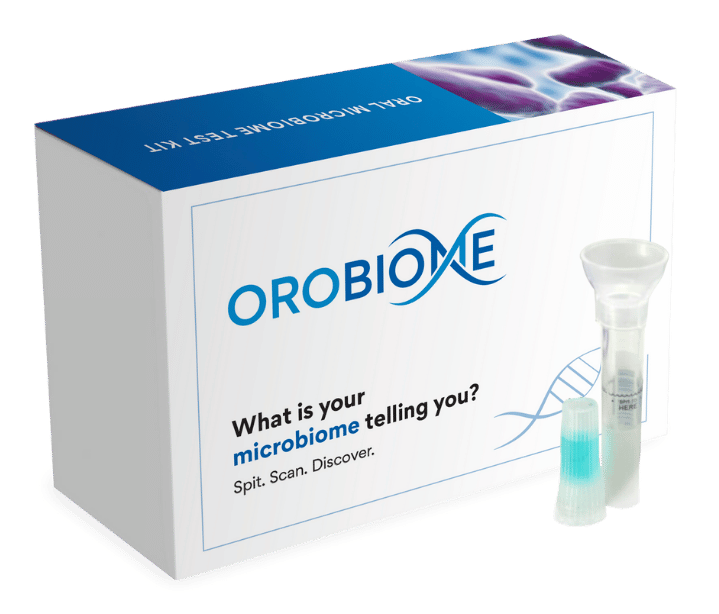
Our Orobiome Testing Package delivers a comprehensive picture of your oral microbiome through bacterial DNA sequencing.
Results are reviewed one-on-one with a licensed dentist from my team, matched to your state, who helps build a personalized healing protocol based on what your specific results show.
If you're also dealing with persistent gut symptoms alongside dry mouth, it may be worth exploring whether the two are feeding each other — something our KBMO Gut Testing is designed to help answer, since the oral — gut axis runs in both directions.
You can also read more about that overlap in our post on leaky mouth syndrome.
And if you want the full picture of how oral health connects to your body systems, the Gateway to Health documentary series is available for a 10-day free screening — seven episodes with some of the world's leading oral health researchers and clinicians.
Persistent dry mouth deserves a real answer — not just a symptomatic fix.

Sources
- Caries prevention for patients with dry mouth, Journal of the Canadian Dental Association, 2011.
- Relevance of Oral Microbiome — A Narrative Review, Acta Scientific Dental Sciences, 2026.
- A reference guide to drugs and dry mouth — 2nd edition, Gerodontology, 1997.
- Xerostomia, StatPearls, National Institutes of Health, 2023.
- Oral dysbiosis and systemic diseases, Frontiers in Dental Medicine, 2022.
- Saliva between normal and pathological — Important factors in determining systemic and oral health, Journal of Medicine and Life, 2009.
- The Oral Microbiome and Systemic Health — Current Insights into the Mouth–Body Connection, Life, 2026.
- Novel impacts of saliva with regard to oral health, The Journal of Prosthetic Dentistry, 2022.
- Measuring salivary flow, Journal of the American Dental Association, 2008.
- Xerostomia (Dry Mouth), American Dental Association Oral Health Topics, 2026.
- Xerostomia, hyposalivation, and salivary flow in diabetes patients, Journal of Diabetes Research, 2016.
- Oral microbiota in human systemic diseases, International Journal of Oral Science, 2022.
Gateway to Health is the new health & wellness division of The Urban Monk. We've moved the health and life sciences content here and are leaving the personal development and mindfulness materials on theurbanmonk.com.
Disclaimer: This content is for educational purposes only and is not intended to diagnose, treat, cure, or prevent any disease. Please consult a qualified healthcare professional before making changes to your health protocol.