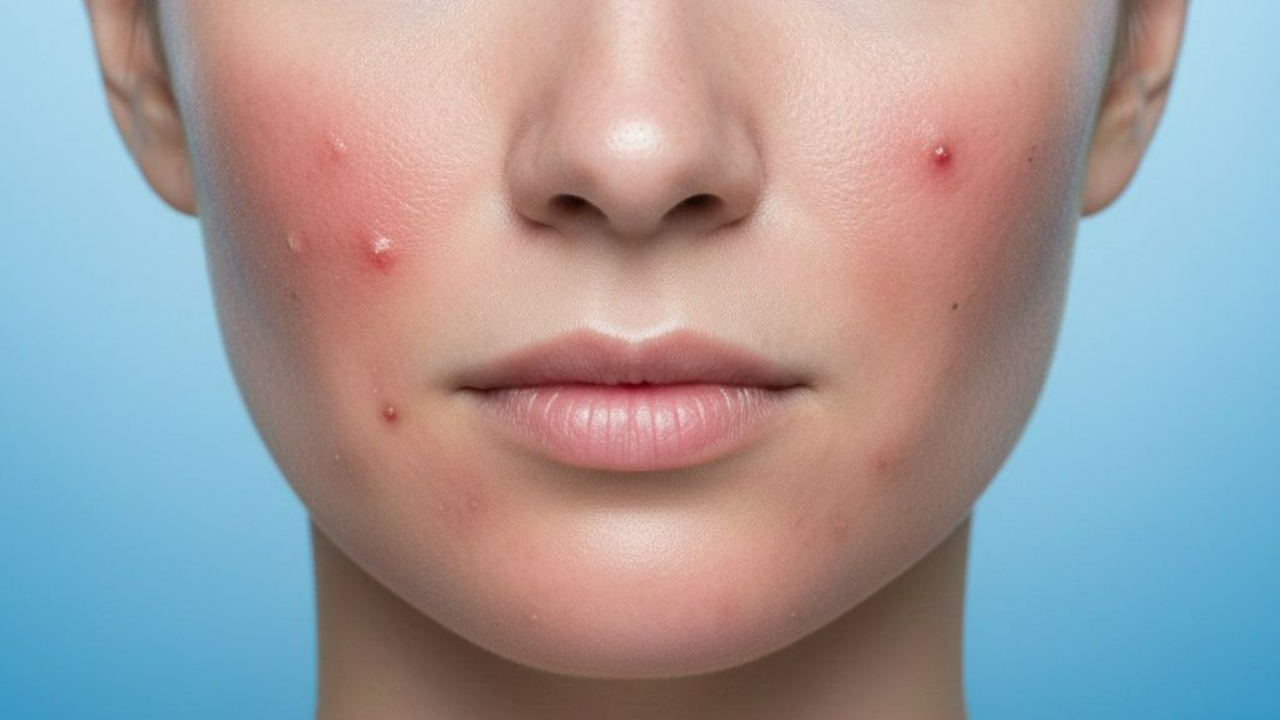
Gut testing for skin issues reveals why your acne, eczema, or psoriasis keeps coming back
You've spent thousands on dermatologists. Tried every cream, serum, and prescription. Cut out dairy, then gluten, then everything else.
Yet here you are — skin still inflamed, still breaking out, still covered in patches that won't heal.
What if your chronic skin issues aren't just about what's happening on the surface?
What if there's something deeper going on — something most doctors almost never think to investigate?
Here's what many people don't realize: gut testing for skin issues can reveal hidden inflammation that topical treatments can't touch.
For a significant number of people struggling with persistent acne, eczema, or psoriasis, the answer isn't in another prescription — it's in understanding what's happening internally.
In this article, you'll discover the emerging science behind the gut-skin connection, what comprehensive testing can reveal, and why addressing internal inflammation might be the step you've been missing.
Somewhere in here could be the insight that finally connects the dots.
Want to See the Complete Picture First?
Watch the Interconnected documentary series FREE — a limited-time exploration of how gut health affects your entire body, including your skin.
Limited-time access • No credit card required
Key Takeaways
- The gut-skin axis is a bidirectional communication system where gut inflammation can contribute to skin problems like acne, eczema, and psoriasis.¹,¹⁰,¹¹
- Intestinal permeability (leaky gut) allows inflammatory compounds and bacterial toxins into your bloodstream, which can trigger skin inflammation.²,³
- Comprehensive gut testing reveals specific markers — Zonulin, Occludin, LPS, and food sensitivities — that explain why your skin won't heal and address root causes across various skin conditions.
- Food sensitivities can create delayed inflammatory reactions (typically 2-72 hours after eating) that show up on your skin days later.³,¹⁵
- Standard dermatology treats surface symptoms while gut testing identifies internal triggers that topical treatments can't address.
- Healing typically takes 3-6 months as you address gut inflammation, eliminate triggers, and restore barrier function.
- Testing costs $199-$299 vs. years of expensive topical treatments that don't address internal inflammation.
Ready to Uncover What's Really Driving Your Skin Issues?
Get comprehensive gut testing and receive a personalized protocol based on YOUR unique inflammatory markers and food sensitivities.
CLIA-certified lab • Results in 2-3 weeks
Your Skin Might Be Broadcasting What's Happening in Your Gut
Look, I've been working with patients for over two decades, and I can tell you this:
When someone comes to me for consultation with chronic skin problems that haven't responded to conventional treatment, one of the first things I think about is their gut.
The skin-gut connection isn't some alternative medicine theory anymore.
Research published in the World Journal of Gastroenterology confirms that disruptions in gut homeostasis, including dysbiosis and increased intestinal permeability, can directly contribute to dermatological conditions like acne, psoriasis, and atopic dermatitis.¹
Think of your gut like a filter.
When that filter develops holes — what we call intestinal permeability — things that should stay in your digestive tract can leak into your bloodstream.
Bacterial toxins, undigested food particles, inflammatory compounds.
Your immune system goes into overdrive trying to deal with these invaders, and that inflammation can show up wherever your body is most vulnerable.
For many people with persistent skin issues, that vulnerable spot is their skin.
Mary Ann, one of our community members, struggled with health problems for 35 years.
Multiple chemical sensitivities, memory problems, sleep disorders — and chronic eczema on her arms and scalp for the last two years.
She'd seen multiple doctors.
No one thought to investigate whether her skin inflammation might be connected to what was happening in her gut.
The Gut-Skin Axis: A Two-Way Connection
When Gut Barriers Break Down:
The Science Behind Why Some Skin Problems Start in Your Gut
Your gut and your skin are more connected than you might think.
They're both barrier organs — the first line of defense against the outside world.
When one barrier breaks down, the other can follow.
Here's what research shows happens at a cellular level:
Studies show that when your gut barrier becomes compromised, inflammatory compounds called lipopolysaccharides (LPS) can leak through.²,¹⁶
These bacterial toxins enter your bloodstream and trigger systemic inflammation.
Your body interprets this as a threat and mounts an immune response — which can manifest as skin inflammation.
Zonulin is the key player here. It's like a gatekeeper protein that controls the tight junctions in your intestinal lining.
When Zonulin gets elevated — triggered by bacterial overgrowth and gluten¹²,¹³ — those tight junctions open up.
Think of it like leaving windows open during a rainstorm — everything that should stay outside comes pouring in.
The cascade looks like this:
- Trigger exposure (gluten, bacterial overgrowth)
- Zonulin release opens intestinal barriers
- Inflammatory compounds enter bloodstream
- Immune system activates
- Systemic inflammation spreads
- Skin can erupt as body tries to eliminate toxins
Research studies confirm that intestinal permeability can link to food sensitivities — which may create delayed inflammatory reactions that could take 2-72 hours after eating.³,¹⁵
That's why you can't figure out your triggers. You eat eggs on Tuesday and break out on Thursday. The connection isn't obvious.
The Zonulin Cascade: From Gut to Skin
How inflammation travels from your intestines to your face
Why Standard Dermatology Sometimes Misses the Gut Connection
Dermatologists are excellent at what they do — treating skin conditions with proven medical interventions.
But conventional dermatology typically focuses on the skin itself, not always investigating potential internal triggers.
Standard treatments often include:
- Topical steroids (to suppress inflammation)
- Antibiotics (to control bacterial overgrowth)
- Retinoids (to regulate skin cell turnover)
These treatments can work well for many people.
But for those whose skin issues stem from internal inflammation, surface treatments might only provide temporary relief without addressing the underlying cause.
A systematic review in The Microbe analyzing gut and skin microbiota dysbiosis found that in patients with psoriasis, gut bacteria showed decreased beneficial Actinobacteria and increased inflammatory Firmicutes, correlating with elevated inflammatory markers.⁴
But standard blood tests don't measure this.
Your doctor runs your labs, everything looks "normal," and you're sent home with another prescription that doesn't work. Learn more about hidden inflammation markers.
See How Internal Inflammation Drives Skin Conditions
Watch the free Interconnected documentary series to understand the complete gut-skin connection from leading functional medicine experts.
10-day comprehensive education • Stream anytime
What Comprehensive Gut Testing Actually Reveals
Here's where gut testing for skin problems changes everything.
The KBMO Gut Barrier Panel + Food Sensitivity Testing shows you:
Gut Permeability Markers:
- Zonulin levels: Shows if your intestinal "gates" are stuck open
- Occludin levels: Measures structural integrity of gut lining
- LPS (Lipopolysaccharide): Bacterial toxins flooding your system
- Candida antibodies: Reveals yeast overgrowth damaging gut barrier
Food Sensitivity Analysis:
- IgA and IgG antibody testing for 22-176 foods known to be highly inflammatory
- Identifies delayed inflammatory reactions (not immediate allergies)
- Shows which "healthy" foods are actually triggering your inflammation
- Reveals hidden sensitivities missed by standard allergy tests
This isn't guesswork. It's data.
Studies published in Scientific Reports demonstrate that leaky gut biomarkers correlate with atopic dermatitis severity.⁵
When we tested Mary Ann, we discovered specific food sensitivities, environmental triggers, and gut barrier markers that explained her 35 years of symptoms — including that chronic eczema.
She finally had answers.
Get Testing That Reveals YOUR Specific Triggers
Stop guessing. Start knowing. Comprehensive gut barrier testing + food sensitivity analysis shows exactly what's inflaming your skin.
Data-driven answers instead of expensive trial-and-error with creams and medications that don't address root causes.
Personalized protocol included • Expert interpretation
Specific Skin Conditions Linked to Gut Health
Let me break down what I see in practice:
Acne
Often linked to dairy sensitivity, gut dysbiosis, and blood sugar dysregulation.
Research in Frontiers in Microbiology found genetic associations between specific gut microbes and acne vulgaris.⁶
When we address gut health in patients with persistent acne, many see significant improvement without harsh medications.
Eczema (Atopic Dermatitis)
Strong association with leaky gut and food sensitivities.
Studies show children with eczema have significantly higher incidence of intestinal permeability compared to children without.⁷
The microbiome testing for eczema approach reveals which bacterial imbalances are driving inflammation.
Psoriasis
An autoimmune component driven by intestinal permeability and bacterial translocation.
The gut test for psoriasis often shows elevated LPS and Zonulin — markers of severe gut barrier dysfunction.⁸
Understanding the oral-gut-skin connection adds another layer of insight.
Rosacea
Linked to SIBO (small intestinal bacterial overgrowth) and H. pylori infections.
Studies find SIBO is ten times more prevalent in rosacea patients.⁹
Which Gut Imbalances Are Affecting YOUR Skin?
Get comprehensive gut testing with personalized protocols designed for your specific condition — whether it's acne, eczema, psoriasis, or rosacea.
Condition-specific insights that connect your unique gut imbalances to your skin symptoms.
All skin conditions supported • Personalized approach
The Timeline: What to Expect When You Heal From the Inside Out
Let's be real about this.
Gut testing for skin issues isn't a quick fix — and it won't work for everyone.
But for those whose skin problems are connected to gut dysfunction, addressing internal inflammation can make a significant difference.
Here's the realistic healing timeline I've observed with patients whose skin issues improved through gut healing:
Weeks 1-2: Internal gut healing begins (you won't see it yet).
Weeks 3-6: Inflammation starts reducing, first improvements visible.
Month 2-3: Significant visible improvements — clearer skin, reduced flare-ups.
Month 3-6: Continued healing, skin resilience building, fewer triggers.
The difference? This healing is sustainable.
You're not suppressing symptoms — you're eliminating the cause. Learn the complete gut healing framework.
Research confirms this timeline.
Studies on atopic dermatitis patients following elimination diets based on testing showed significant reduction in both intestinal permeability AND eczema scores within weeks — but responders had better gut improvement than non-responders.¹⁰
Why Food Sensitivities Might Be Showing Up on Your Face
Here's something that frustrates many people: you're eating "healthy" foods that could be inflaming your gut without you realizing it.
Food sensitivities aren't the same as food allergies.
Allergies are immediate (eat peanuts, throat swells).
Sensitivities are delayed (eat gluten Tuesday morning, face breaks out Thursday afternoon).
That delay makes them nearly impossible to identify without testing.
Studies in Frontiers in Nutrition demonstrate that IgG-mediated food sensitivity can be directly related to increased intestinal barrier permeability.¹⁷
When your gut is leaky, larger food particles pass through that shouldn't. Your immune system may recognize them as threats and create antibodies.
Every time you eat that food, your immune system could react — creating inflammation that might manifest in your skin.
Common culprits:
- Dairy (even if you're not lactose intolerant)
- Gluten (even without celiac disease)
- Eggs
- Soy
- Corn
But here's the kicker: YOUR triggers might be completely different. That's why testing matters. Discover the stress-skin connection too.
Stop Guessing Which Foods Are Triggering Your Inflammation
Comprehensive gut testing identifies YOUR specific food sensitivities — from 22 to 176 foods. No more elimination diet guesswork.
Test up to 176 foods • Delayed reaction detection
What Happens After You Get Tested
Getting tested is step one. Here's what comes next:
Immediate Actions:
- Review results with functional medicine coach
- Identify primary inflammatory triggers
- Create personalized elimination protocol
- Address gut barrier healing priorities
The Protocol Includes:
- Targeted gut healing supplements (based on YOUR markers)
- Specific food eliminations (based on YOUR sensitivities)
- Gut barrier repair nutrients
- Probiotic strains matched to your needs
- Timeline for food reintroductions
This isn't a one-size-fits-all approach.
Mary Ann's protocol looked completely different from someone with acne. Because their test results were different.
This Is the Power of Personalized Medicine
Get comprehensive gut testing and start YOUR personalized protocol — tailored to your markers, your sensitivities, your healing journey.
Not a generic protocol — a roadmap built for YOU.
Custom healing plan included • Professional support
The Connection Between Oral Health and Skin
Here's something most people don't know: your oral microbiome also affects your skin.
Adults swallow approximately 1.5 trillion bacteria daily through saliva, which travel from your mouth into your gut.¹⁴
Pathogenic oral bacteria can contribute to systemic inflammation — which shows up on your skin. Explore oral-systemic health connections.
Your Mouth Bacteria Might Be Inflaming Your Skin
Orobiome Testing reveals which oral bacteria are contributing to systemic inflammation. Address both oral AND gut health for maximum results.
You swallow 1.5 trillion bacteria daily. Know which ones are harming you.
Comprehensive oral microbiome analysis • Licensed practitioner review
Your Next Steps to Investigating the Gut-Skin Connection
Look, I get it. You've tried everything. You're skeptical. You've been disappointed before.
But here's what I know after two decades in functional medicine:
When you identify and address root causes — whether they're in the gut, hormones, stress response, or elsewhere — real healing becomes possible.
Not overnight. Not with a magic pill. But it happens.
For many people struggling with persistent problems, gut testing for skin issues provides missing answers.
Specific data about YOUR body. A roadmap instead of another guess.
It's not the answer for everyone, but for those with gut-driven skin inflammation, it can be life-changing.
You have three options:
- Keep doing what you're doing (same results)
- Try another topical treatment (may provide temporary relief)
- Test your gut to see if internal inflammation is contributing to your skin problems
The choice is yours. But if your skin problems haven't responded to conventional treatment, investigating the gut connection might be worth considering.
Get comprehensive gut testing now →
What's Included:
- KBMO Gut Barrier Panel (Zonulin, Occludin, LPS, Candida)
- FIT22 Food Sensitivity Testing (upgradable to 176 foods)
- 30-60 minute consultation with functional medicine health coach
- Personalized healing protocol based on your results
- CLIA-certified laboratory processing
Start your healing journey today →
Your skin will thank you.
And if gut inflammation is indeed driving your skin issues, three months from now when you're looking in the mirror and seeing real results, you'll be glad you investigated this connection.
Want to Dive Deeper First?
Watch the free Interconnected documentary series for 10 days of comprehensive education on the gut-skin-systemic health connection.
The complete education to understand your body's interconnected systems.
Stream anytime • No credit card required • Limited-time access

Sources
- World Journal of Gastroenterology. Gut-skin axis: Emerging insights for gastroenterologists-a narrative review. PMC, September 2025.
- Nutrients. The Role of Gut Microbiota and Leaky Gut in the Pathogenesis of Food Allergy. PubMed, December 2023.
- Frontiers in Allergy. Intestinal permeability, food antigens and the microbiome: a multifaceted perspective. Frontiers, January 2025.
- The Microbe. Relationship between skin and gut microbiota dysbiosis and inflammatory skin diseases in adult patients: A systematic review. ScienceDirect, June 2025.
- Scientific Reports. Severity of atopic dermatitis is associated with gut-derived metabolites and leaky gut-related biomarkers. Nature, July 2025.
- Frontiers in Microbiology. Editorial: The gut-skin axis: interaction of gut microbiome and skin diseases. PMC, 2024.
- Frontiers in Pediatrics. Skin and systemic infections in children with atopic dermatitis: review of the current evidence. May 2025.
- MDPI. Unraveling the Gut–Skin Axis: The Role of Microbiota in Skin Health and Disease. Cosmetics, August 2025.
- Biomedicines. Small Intestinal Bacterial Overgrowth (SIBO) and Twelve Groups of Related Diseases—Current State of Knowledge. 2024.
- International Journal of Molecular Medicine. The gut-skin axis: Emerging insights in understanding and treating skin diseases through gut microbiome modulation (Review). PMC, 2025.
- Gut Microbes. The gut-skin axis: a bi-directional, microbiota-driven relationship with therapeutic potential. Taylor & Francis Online. 2025.
- F1000 Research. All disease begins in the (leaky) gut: role of zonulin-mediated gut permeability in the pathogenesis of some chronic inflammatory diseases. PMC, 2020.
- Ann N Y Acad Sci. Zonulin, regulation of tight junctions, and autoimmune diseases. PMC, 2012.
- Nature Microbiology. Oral bacteria relative abundance in faeces increases due to gut microbiota depletion and is linked with patient outcomes. PMC, 2024.
- Food-Specific IgG Antibodies: In Health and Disease. Omega Diagnostics Ltd. 2022.
- Intestinal barrier permeability: the influence of gut microbiota, nutrition, and exercise. Frontiers in Physiology. 2024.
- Frontiers in Nutrition. Associations between food-specific IgG antibodies and intestinal permeability biomarkers. Frontiers, September 2022.